
To MRI or not to MRI
This article is part of a series reporting from the APSA conference 2026 in Chicago, sharing with parents and families what the biggest points of discussion were in the pediatric surgeon community about congenital lung malformations.
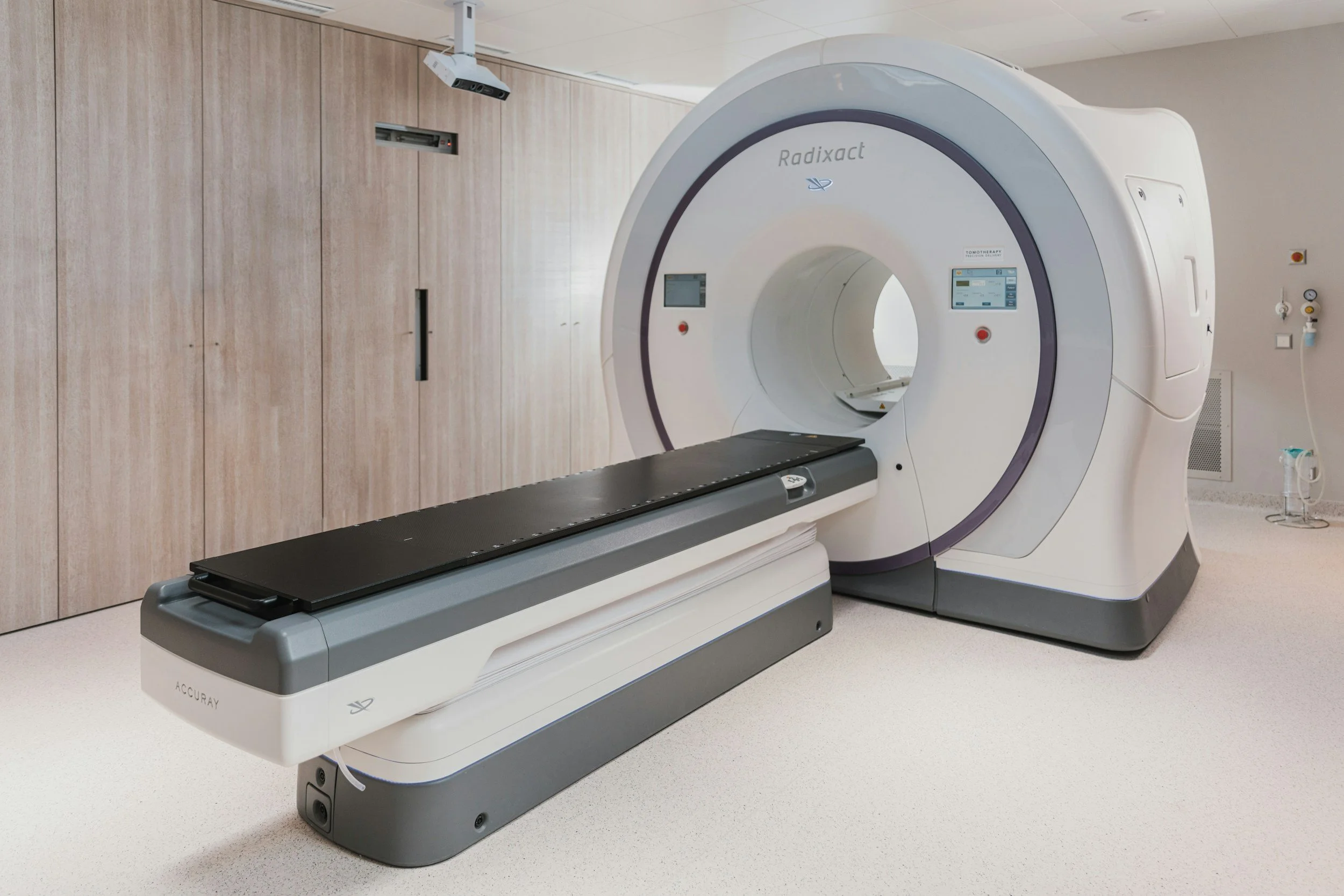
“If you live somewhere where they don’t offer fetal MRI during a CLM pregnancy, or it’s too difficult or burdensome for you to get one, don’t panic!” Photograph: Unsplash
There’s a debate at the moment about the role of fetal MRI in CLM cases. Some centers offer an MRI to every prenatally diagnosed CLM case, while others only offer them in higher-risk situations, and others don’t use fetal MRI at all.
As part of a panel at APSA this year, expert pediatric surgeons shared their thoughts about the pros and cons of using fetal MRI in prenatal CLM cases.
Arguments in favor of fetal MRI
Arguments in favor from the surgeon community included that it’s a complimentary type of imaging that can be used alongside ultrasound. It’s not meant to replace the ultrasound data, just add some additional information. Importantly, in high-risk cases where fetal surgery or very early surgery might be needed, the MRI can help guide surgeons. And it can be useful for parent counseling: the images can be shown to the family to help their understanding of their baby’s lung lesion
Arguments against fetal MRI
The arguments against fetal MRI were that it’s expensive and sometimes insurance can be difficult about covering it. This just adds stress to parents during an already stressful time. Also, because the CVR number from ultrasound remains the best predictor of how a baby will do at birth, MRI rarely actually adds that much “new” information. That is, because CLMs are normally handled similarly, it’s unlikely that the MRI would change the management plan in a way that wouldn’t already be known from ultrasound. Sometimes the MRI can even over dramatize the lung lesion, which complicates the picture rather than clarifying it. And MRIs are uncomfortable for pregnant patients!
The family experience
I sat on the panel to add a family perspective to this debate and shared that, from my personal experience, and from talking to many moms and dads, one well-timed and well-explained fetal MRI around the time of diagnosis is really popular. It gives a bit more information on the kind of lung lesion you’re dealing with (in our case it confirmed there was at least one feeding vessel, although this had been seen previously on ultrasound) and can help rule out other congenital anomalies. It can also feel proactive, which helps to build trust and confidence in the family’s care team. But that said, more than one was not popular (I had three which was way too much!) and an overemphasis on MRI (ignoring or minimizing the ultrasound data) can be actively unhelpful. Also, not only can MRIs be uncomfortable, especially if you’re claustrophobic like me, but they can also be really disruptive: they normally require a day off work and you may need to make childcare arrangements. And it’s true about them being expensive: insurance can be hit and miss with what they cover; 18 months later, they still won’t pay for one of the MRIs I got during pregnancy. Then there’s the question of how useful the images actually are. Because of fetal movement, often the image quality is not even that good. It can be really frustrating for parents to go through all that disruption and the result is not even useful! Worryingly, some moms I’ve spoken with felt pressured to take valium to help calm their baby, even when this made them uncomfortable.
While there wasn’t a clear winner—and there remains substantial variation between centers in how they use fetal MRI in these cases—I appreciated that this was something the pediatric surgical community is actively debating. They’re aware of the downsides to using MRI for families (expensive, travel, time off work and childcare, claustrophobia) and, as a parent, it was really interesting to hear about the diagnostic pros and cons: maybe fetal MRI doesn’t add as much information to the clinical picture as I’d thought when we were going through it.
But my biggest takeaway was this: if you live somewhere where they don’t offer fetal MRI during a CLM pregnancy, or it’s too difficult or burdensome for you to get one, don’t panic! It seems like, on balance, it probably doesn’t make much of a difference to CLM management and care. Ultrasound is so good nowadays and the CT scan is still recommended in all cases after birth, which is the main piece of evidence surgeons will use to guide management and planning.
So what do you think? Did you get a fetal MRI and was it helpful in your case? Or did it seem like an additional stressor you didn’t need on top of everything else?