
You don’t have to navigate this alone
We are the only nonprofit dedicated to congenital lung malformations like CPAM/CCAM, BPS, bronchial atresia or CLE/O.
We’re here to provide essential information, resources, and support for families navigating CLMs, while advancing research and improving care.
How can we support you today?
I’m looking for emotional support
A CLM diagnosis is a significant experience that can have a profound impact on your mental health. Explore options for coping and support.
I’m looking for information
Explore our expert-reviewed guides and resources for families to learn more about CLM diagnoses.
I want to read other families’ experiences
Read our community stories to hear about other families’ CLM journeys.
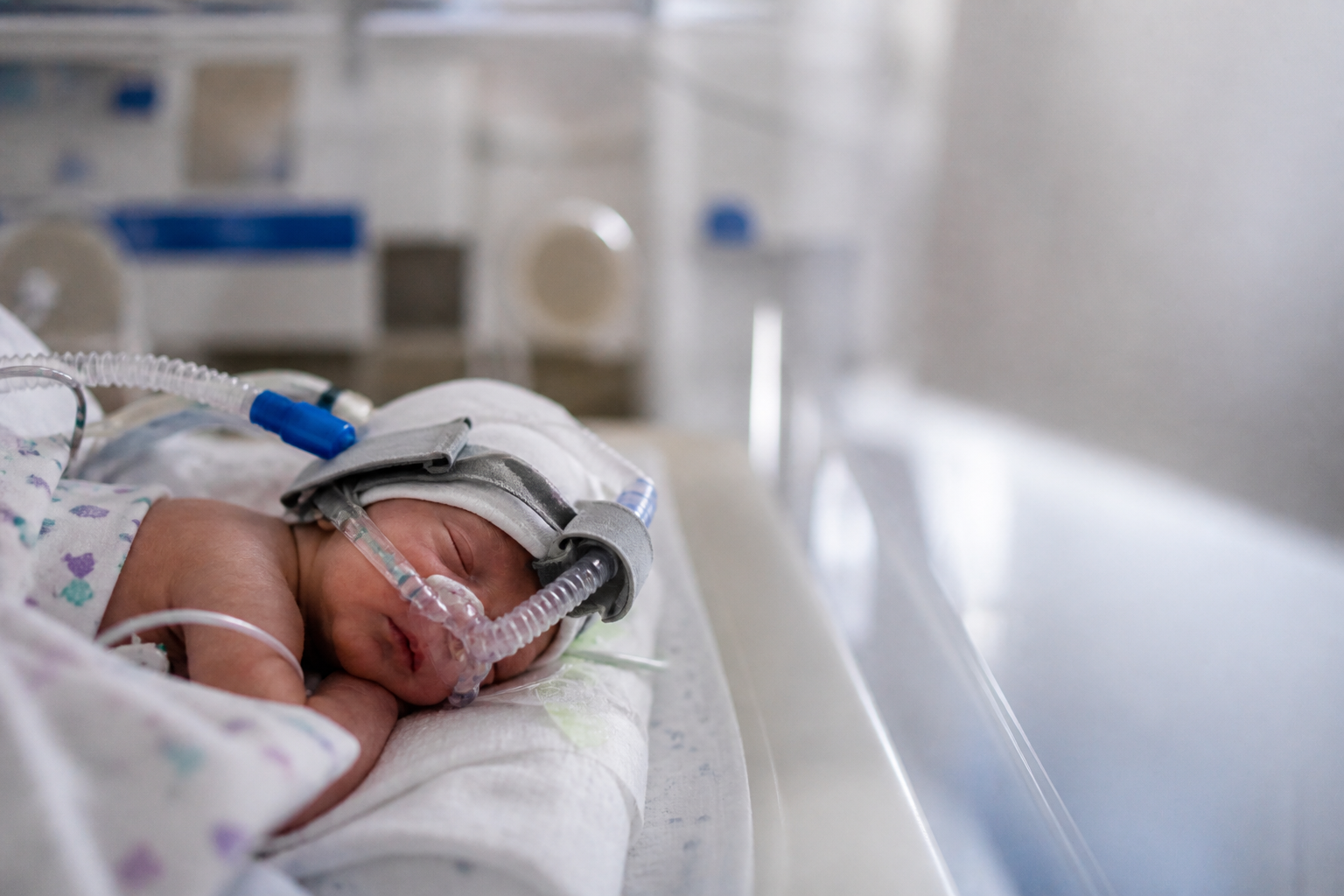
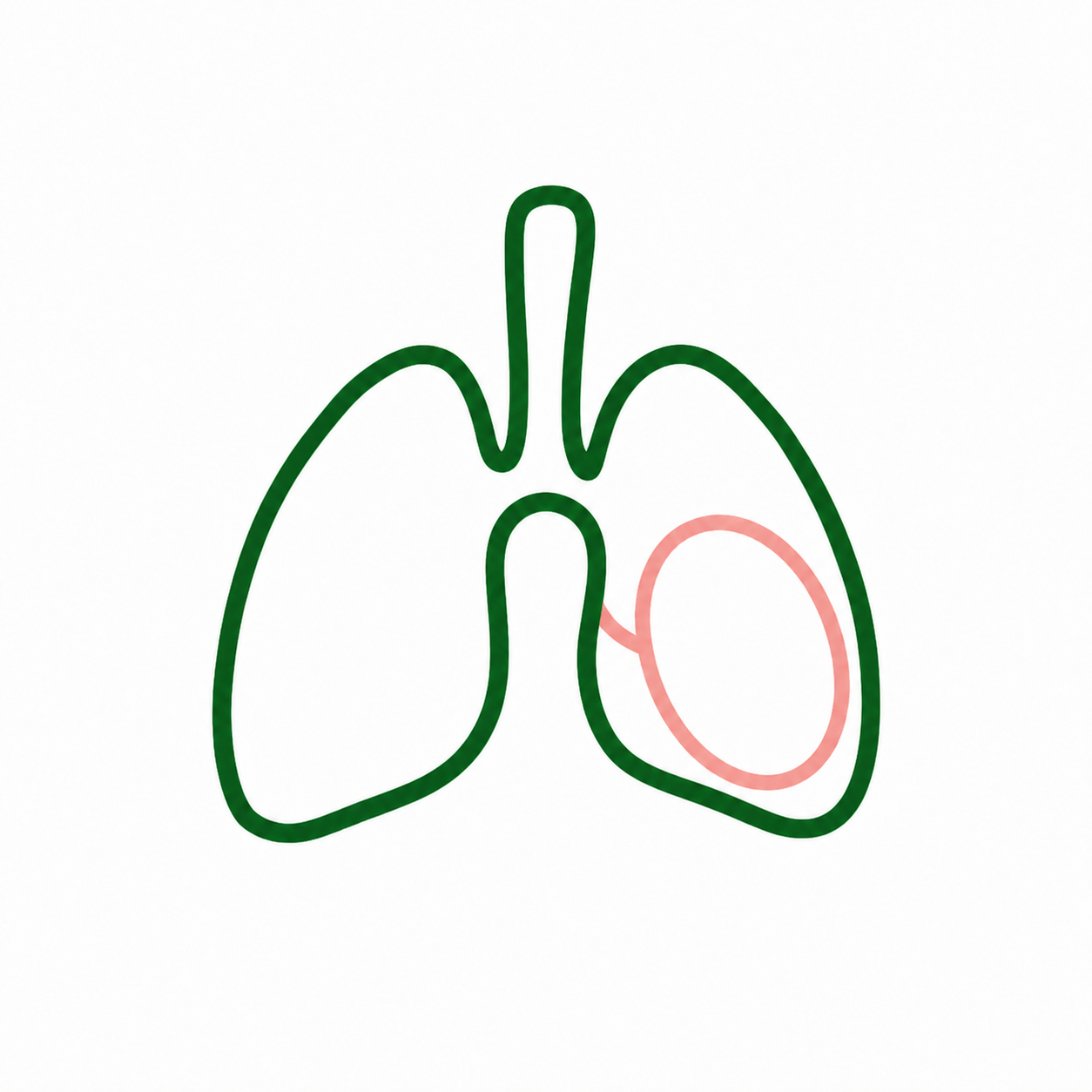
A congenital lung malformation (CLM) is a rare condition where part of a baby's lungs did not develop normally during pregnancy.
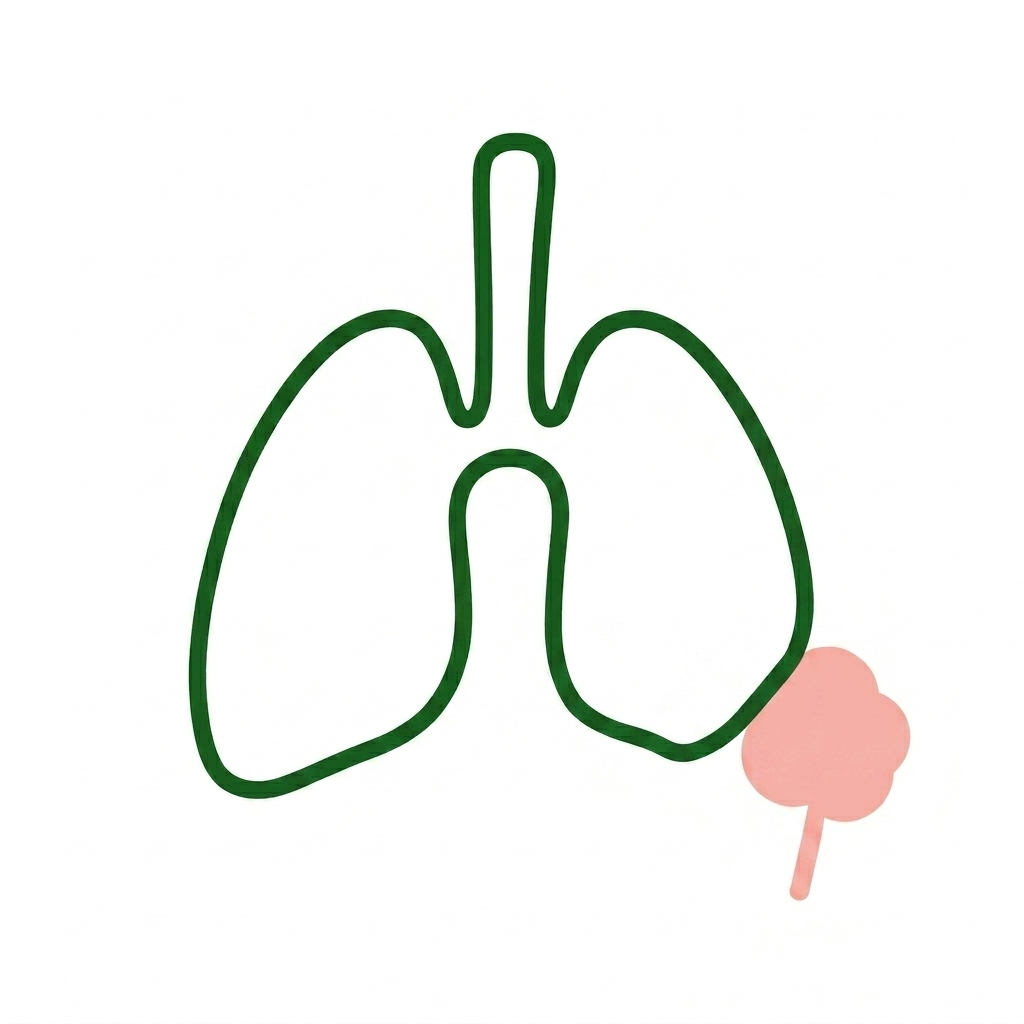
BPS
Bronchopulmonary Sequestration
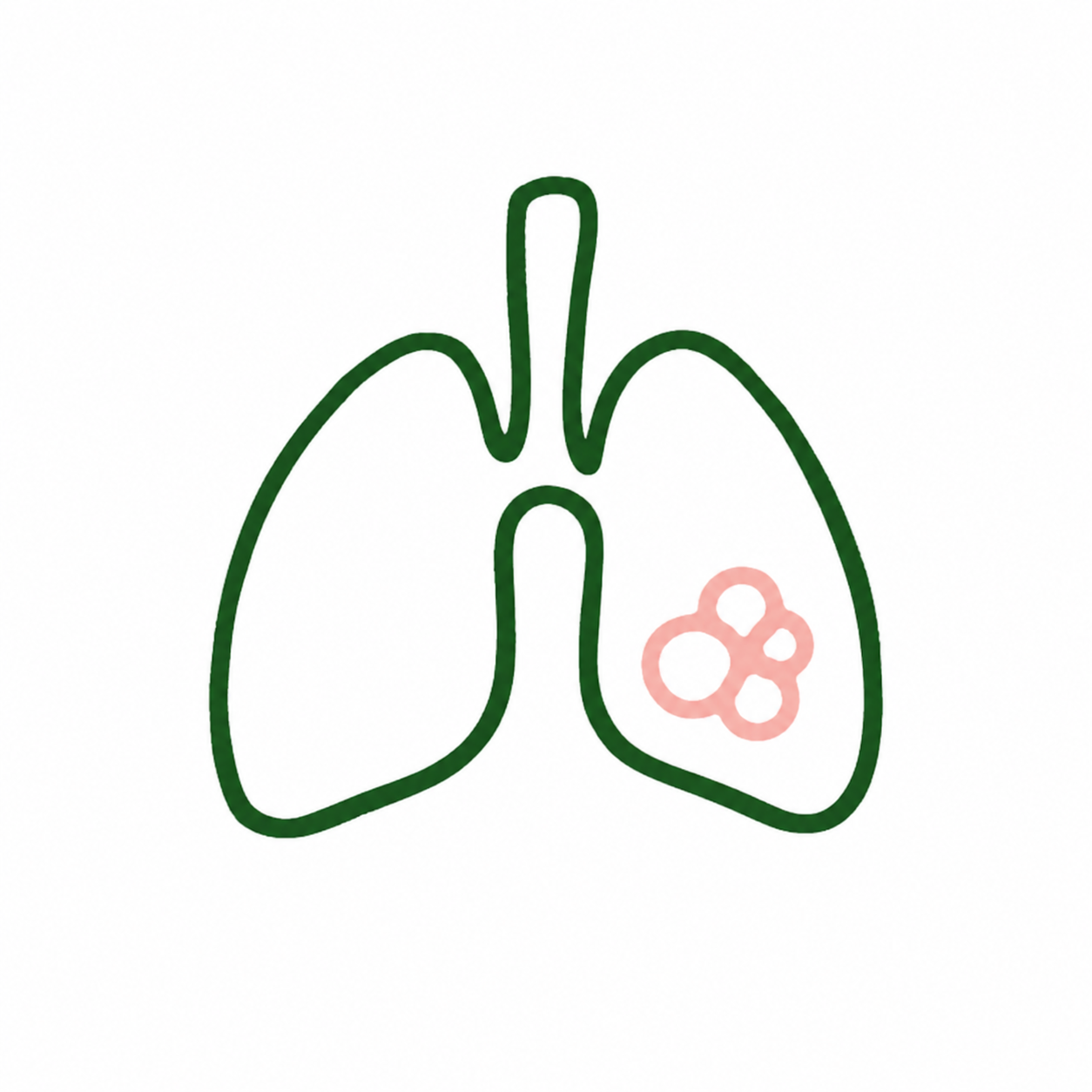
CPAM/CCAM
Congenital Pulmonary Airway Malformation
CLE/O
Congenital Lobar Emphysema/Overinflation
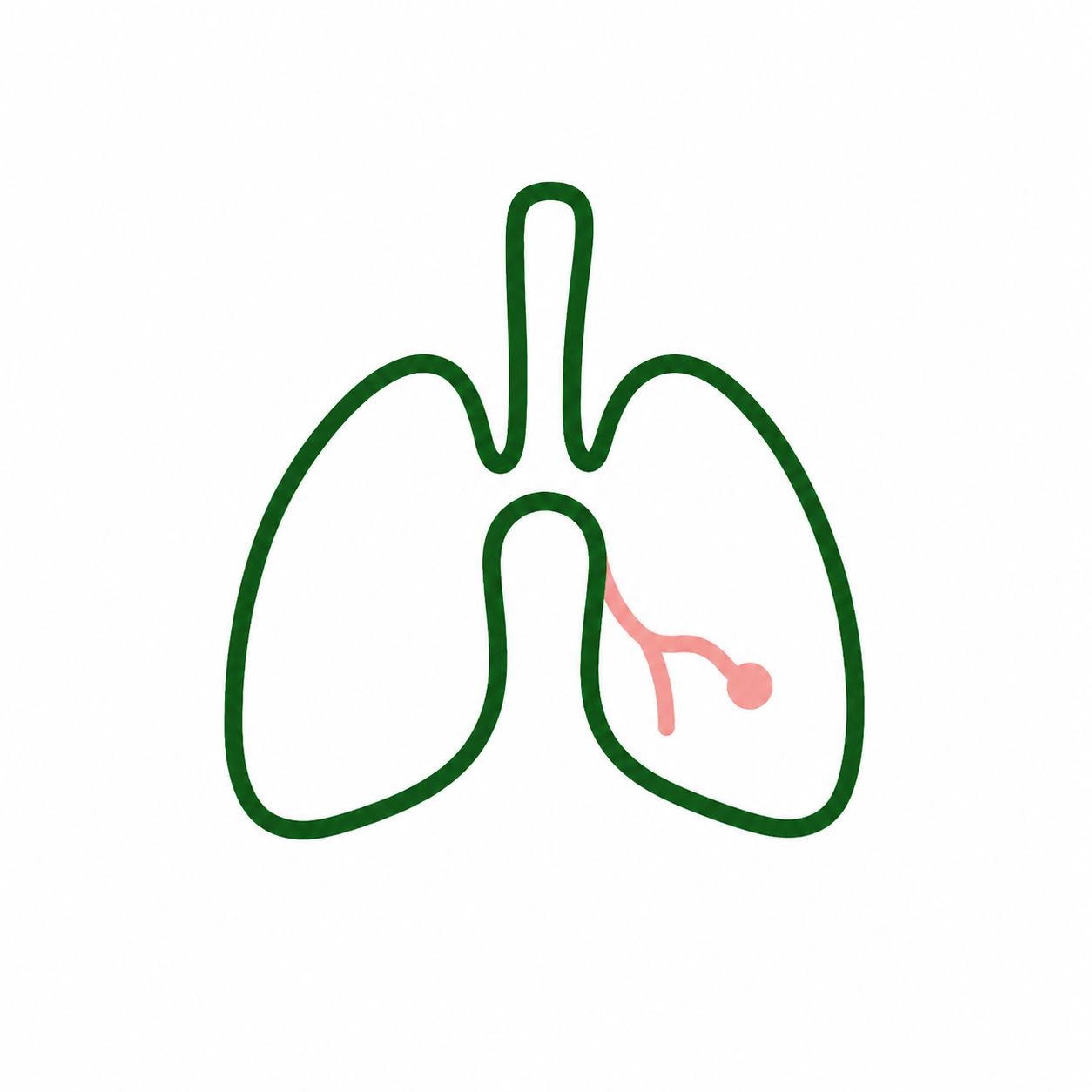
CBA
Congenital Bronchial Atresia
We believe that every family who receives a CLM diagnosis deserves access to high-quality information and real support—regardless of where they live, what hospital they're at, or what stage of the journey they’re on.
“If you’re just getting this diagnosis, take a deep breath. I know it feels like your world just collapsed, but the majority of these babies do amazingly well. Medical science has come such a long way, and there’s so much reason to hope. ”

What we do
Support & Community
We provide a variety of connection and support options for anyone affected by a CLM, from messaging with a trained volunteer to ongoing peer support and real life community stories.
Education & Resources
We create clear, accurate and up-to-date materials, guides and tools on congenital lung malformations, always carefully reviewed by medical experts.
Research & Articles
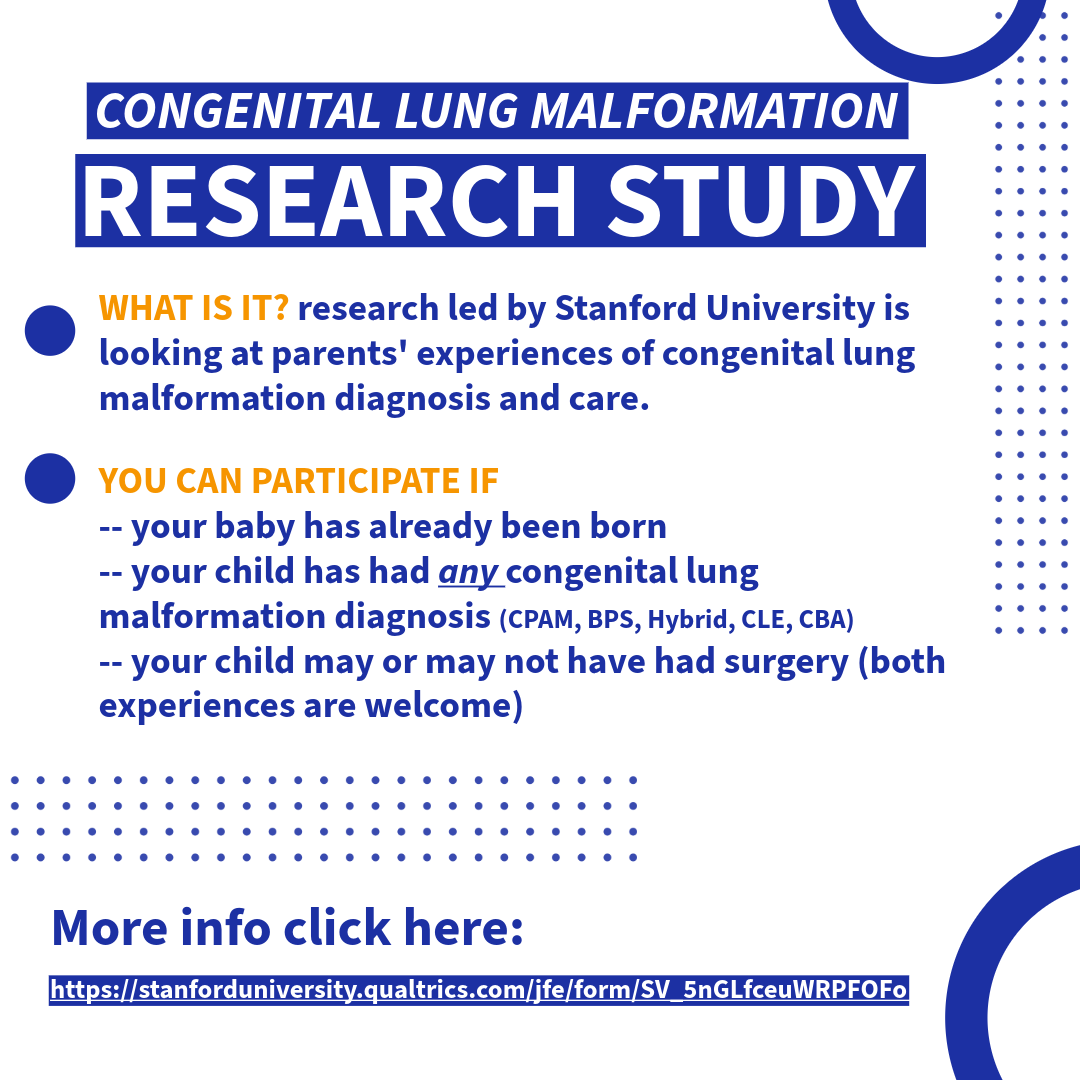
We support and participate in research to advance our understanding of CLMs and improve care. We also advocate for CLM families in medical communities.





1 in 2,500
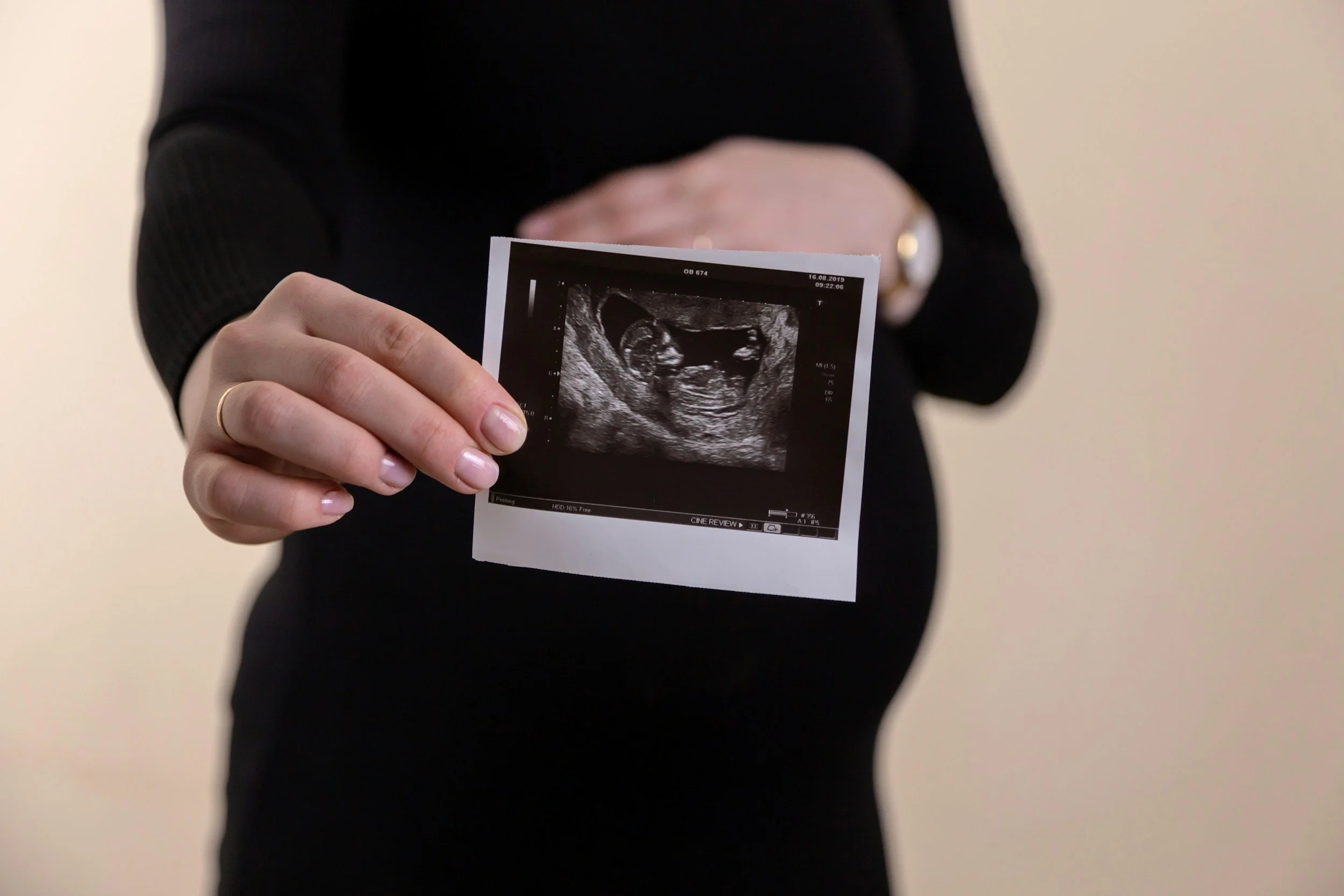
Approximately 1 in 2,500 babies a year are estimated to be born with a CLM. While most babies do extremely well, some can become seriously ill and need help before or after birth.
0
There are currently no internationally recognized standards of care for managing CLMs. Families often face inconsistent advice that varies from country to country and even hospital to hospital.
70%
of CLMs are found prenatally. A diagnosis can have a profound impact on maternal mental health.
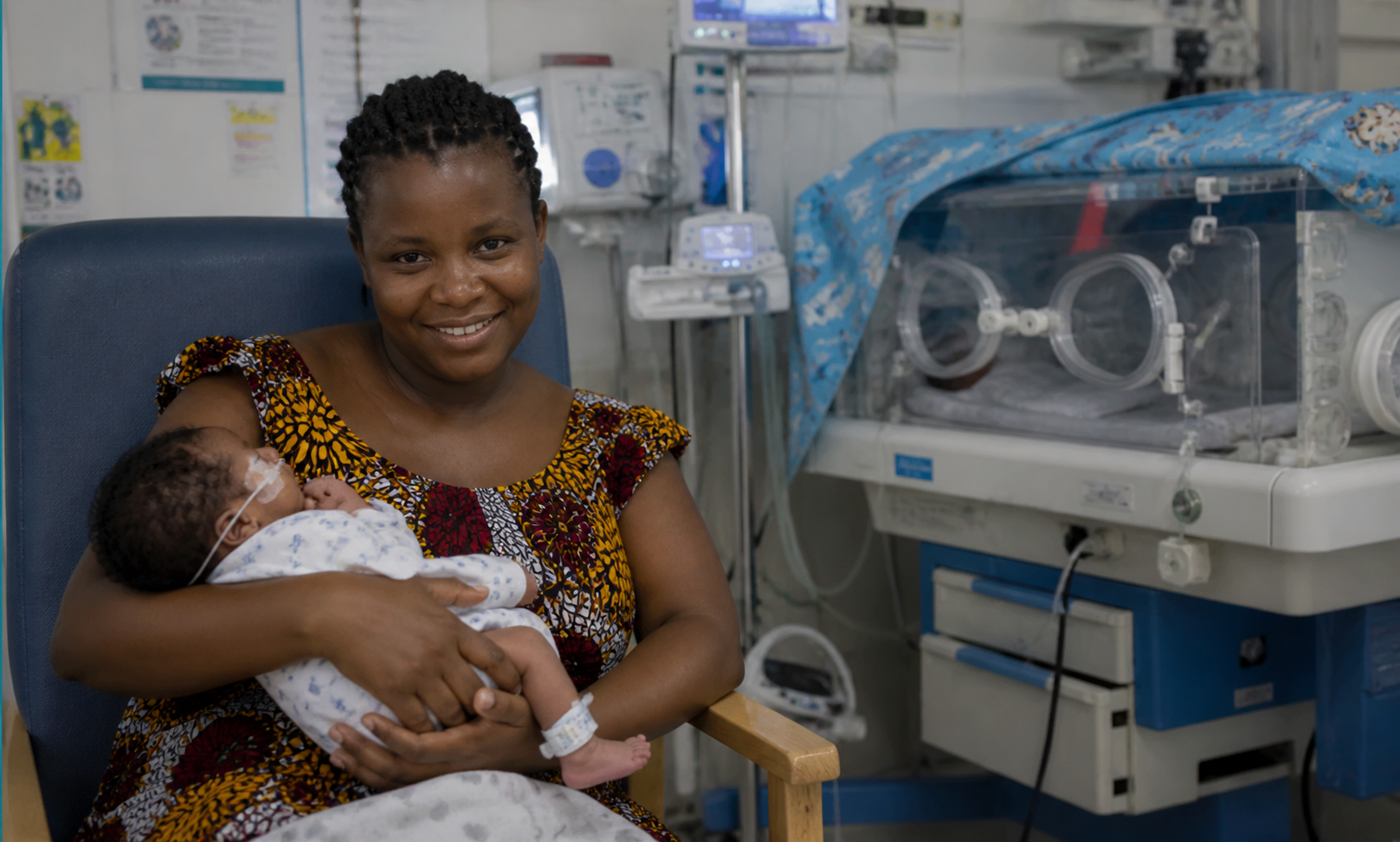
“The weeks in the NICU were the hardest of my life. Being able to check in with a mom who understood even a small part of what I was going through meant the world.”
Quick CLM Fact Sheet
-
CPAM (previously called CCAM) is an abnormal mass of lung tissue, normally affecting one lung lobe. The CPAM can be macrocystic, meaning it is made up of one or more large cysts, solid, or microcystic, meaning it is made up of many smaller cysts. The CPAM is part of the lungs and connected to the lung’s blood supply.
CPAM is the most common type of congenital lung malformation.
-
BPS (bronchopulmonary sequestration) is the second most common congenital lung malformation after CPAM. Like CPAM, a BPS is an abnormal growth of lung tissue, but unlike CPAM, the mass is not connected to the lung’s blood supply.
-
Congenital lobar emphysema, also known as congenital lobar overinflation, is a CLM where part of one lung becomes overinflated because air can get in—but not out—of that area.
-
CBA (congenital bronchial atresia) is a rare CLM where a segment of the airway (bronchus) didn’t grow normally. Because air can’t move in and out normally, that area of lung may become over-inflated.