
Congenital Lung Malformation Diagnosis Guides
A congenital lung malformation (CLM) is a rare condition where part of a baby's lungs did not develop normally during pregnancy. Most CLMs are detected on a routine prenatal ultrasound, and hearing that something is wrong with your baby's lungs can be overwhelming. Our diagnosis guides are written by parents for parents, and carefully reviewed by a pediatric surgeon. Each guide explains what the condition is, how it's diagnosed and monitored, what treatment looks like, and what outcomes to expect. Select your child's diagnosis below to get started.
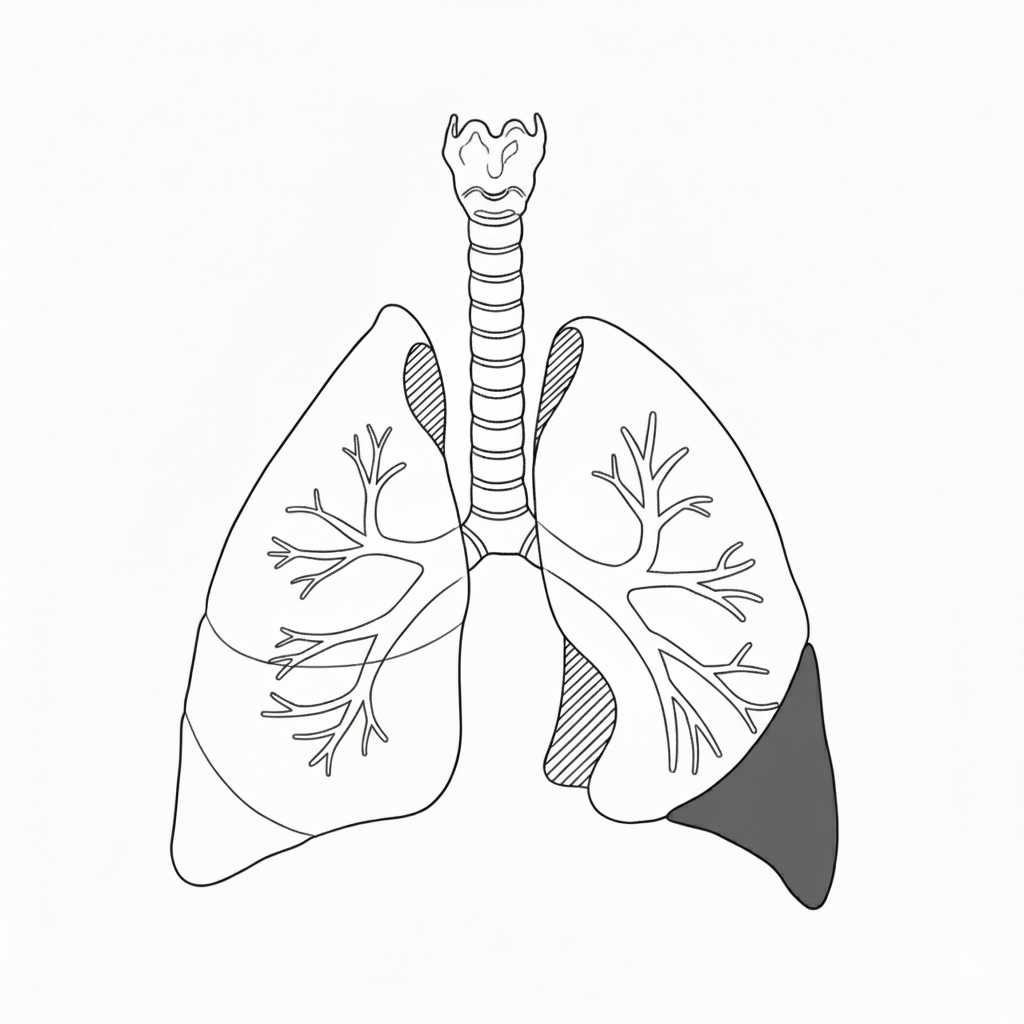
CPAM
(Congenital Pulmonary Airway Malformation)
CPAM, also known as CCAM, is the most common type of congenital lung malformation. It is an abnormal mass of non-functioning lung tissue that usually affects one lobe of the lung
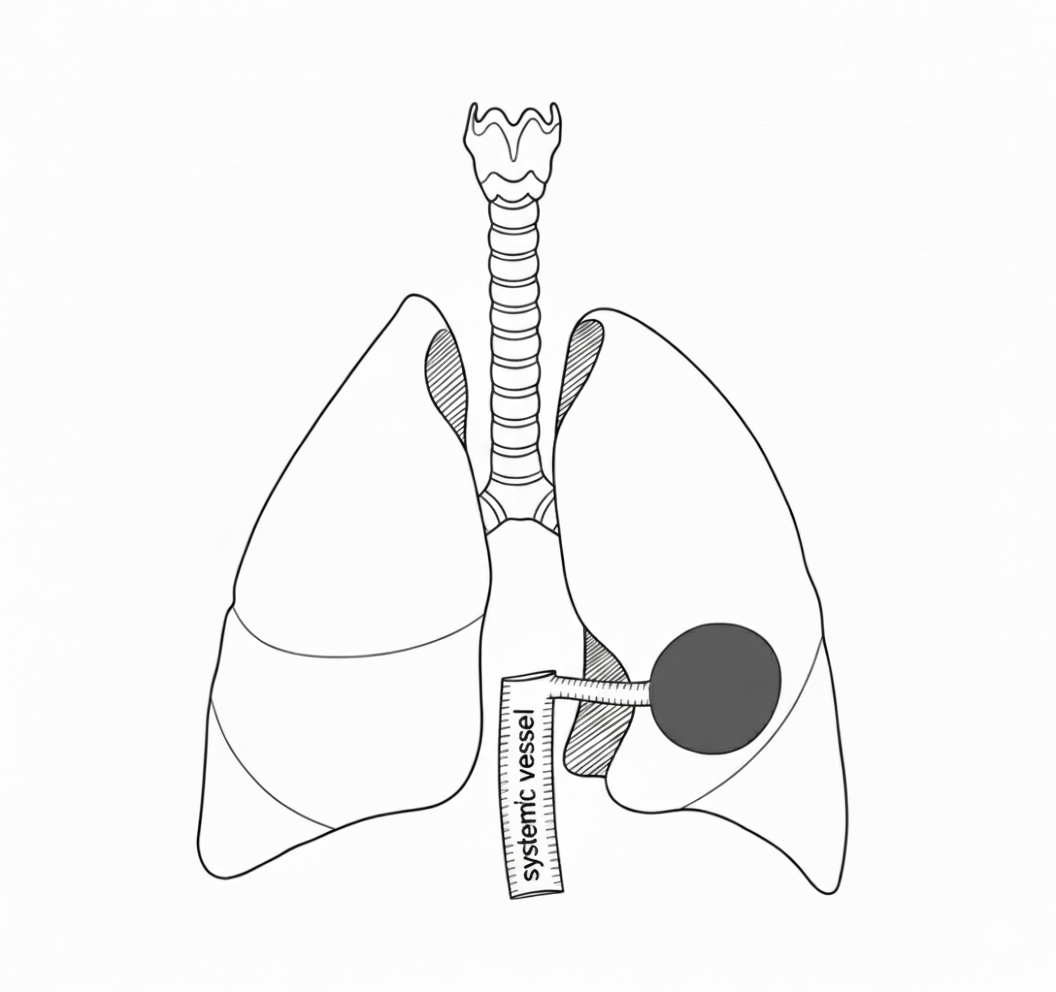
BPS
(Bronchopulmonary Sequestration)
A bronchopulmonary sequestration is an abnormal mass of lung tissue with a blood supply that comes from outside the pulmonary system, usually from the aorta. BPS is the second most common CLM after CPAM
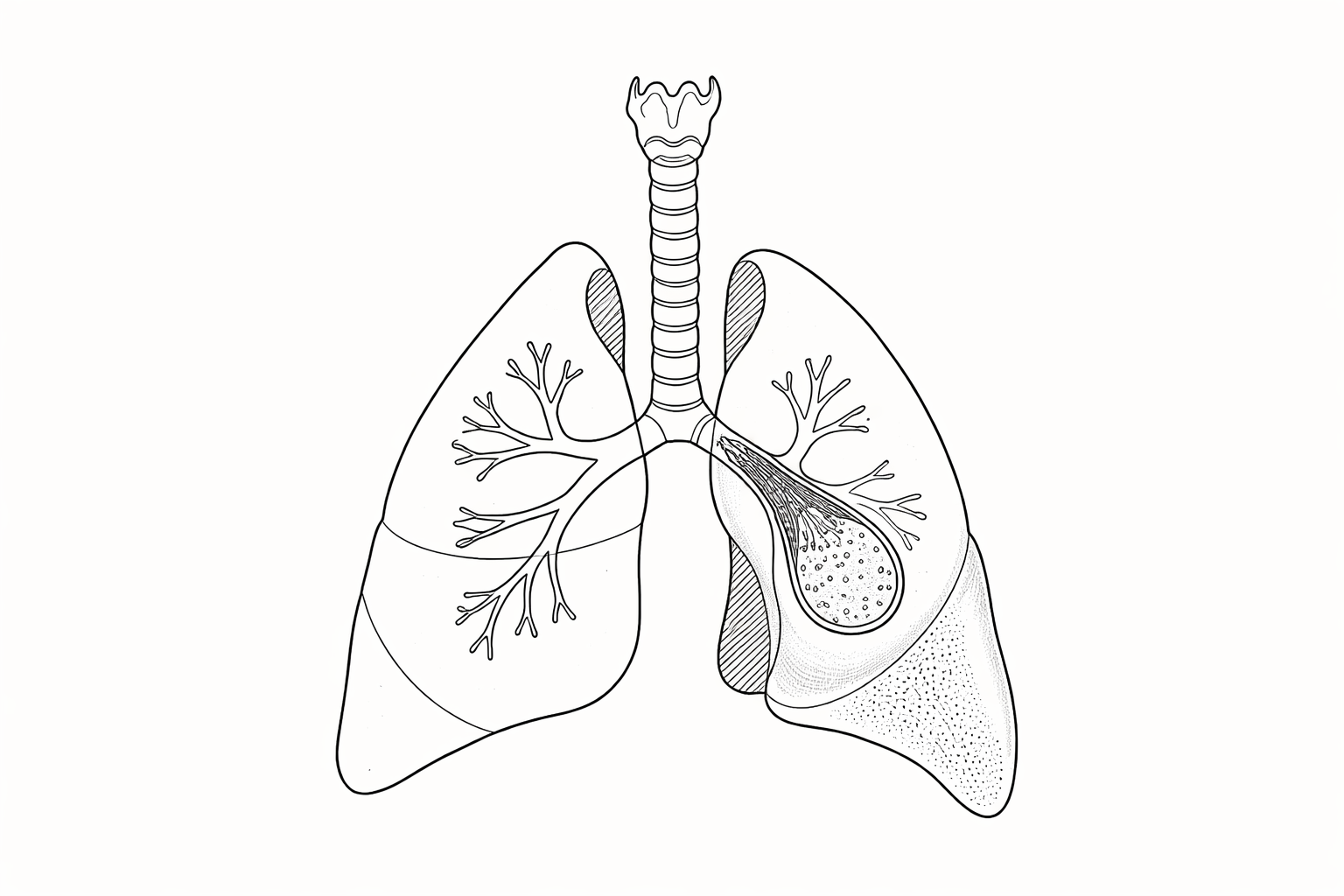
CBA
(Congenital Bronchial Atresia)
Bronchial atresia is a blockage in part of the airways that prevents air from moving in and out normally. It is often found alongside other lung malformations
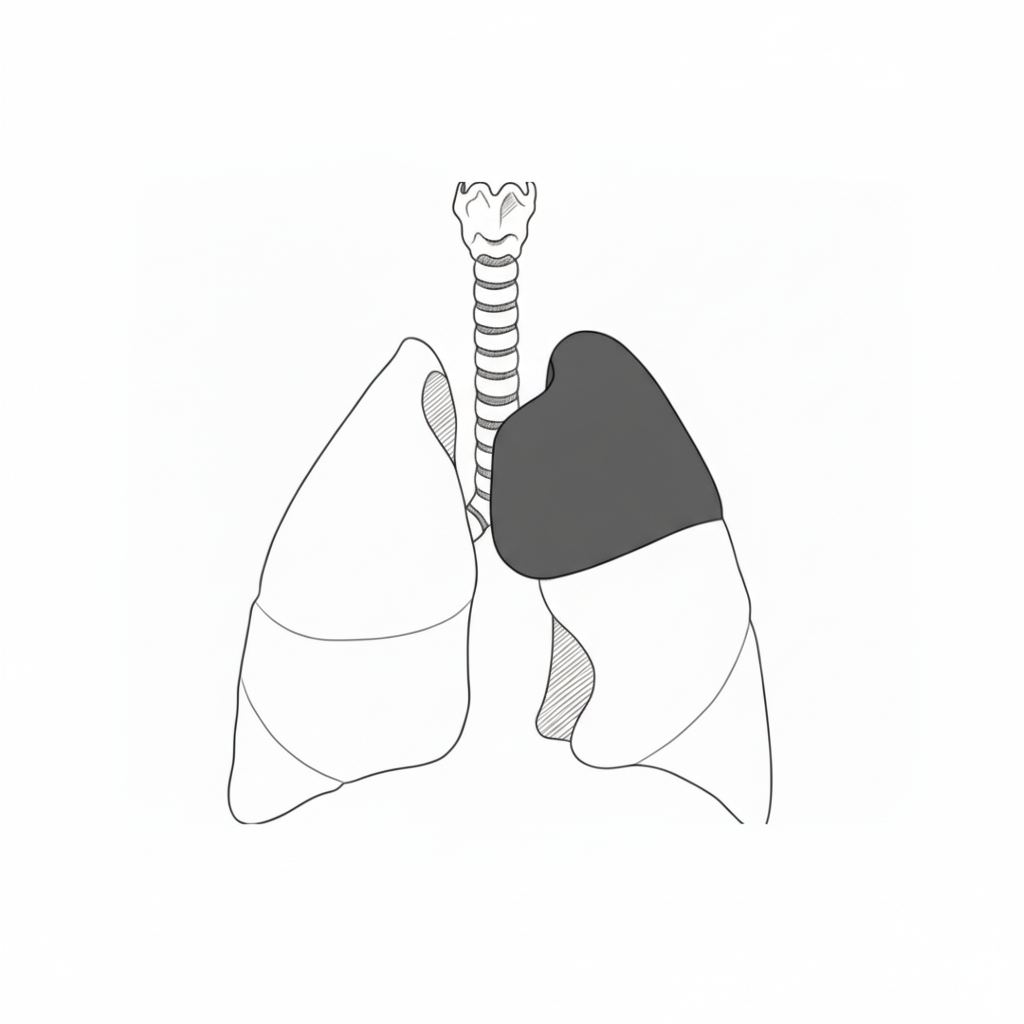
CLE
(Congenital Lobar Emphysema)
Congenital lobar emphysema, also called congenital lobar overinflation, is a condition where part of the lung becomes overinflated, pushing on surrounding healthy lung tissue